
| Route | What it is, per its own pages | How an institution gets its theses included | Status and caveat |
|---|---|---|---|
| Institutional repository exposing OAI-PMH | The source of every record the aggregators below harvest | Configure the OAI-PMH interface; most repository software (DSpace, EPrints, Digital Commons) has one built in | Quality of the metadata set here decides discoverability everywhere else |
| CORE | A not-for-profit, community-governed service indexing research from institutional and subject repositories, preprint servers and journals; its page states 452M open access articles collected from 16K data providers | Register as a data provider; CORE offers a monitoring service for repository output | Aggregates open access content; embargoed full text is a repository decision |
| Google Scholar | Harvests theses and dissertations from registered open-access repositories (NDLTD’s description); its inclusion guidelines list dissertations among acceptable content | Repository must expose bibliographic meta tags (Highwire Press, BE Press, PRISM or, last resort, Dublin Core), one paper per page, full text or complete abstract available without login, title, author and year as required fields | Technical compliance is the repository’s responsibility; PDFs must be searchable text, 5MB maximum per the guidelines |
| OATD (Open Access Theses and Dissertations) | Managed independently by Thomas Dowling at Wake Forest University; NDLTD points users to it while its own search is offline | Not confirmed here; check OATD’s own pages | Independently run; its terms were not available for review |
| NDLTD Global ETD Search | NDLTD’s flagship search, harvesting metadata only (not text, data or figures) from participating repositories into a Union Catalog | Configure OAI-PMH, register as an OAI data provider and email institution name, baseURL and set names to the NDLTD contact | Taken offline by its host over security, stability and infrastructure issues; a redevelopment with Virginia Tech libraries is planned |
| DART-Europe | Formerly “the premier European portal for the discovery of research theses”, administered by UCL | Not applicable | Closed permanently on 3 February 2025; in January 2021 it gave access to nearly 890,000 theses from 535 universities in 26 countries |
| National portals listed by NDLTD | Examples in NDLTD’s list: Theses France, Shodhganga (India), RENATI (Peru, a SUNEDU project), RCAAP (Portugal), TESEO (Spain), Tez Merkezi (Turkey), DiVA (Scandinavia), Theses Canada | Through national deposit or harvesting rules | Rules are national; each portal’s own pages govern, and the list may change |
Recommendation. Make the institutional repository the single point of control: expose a clean OAI-PMH feed, set complete metadata at deposit, meet Google Scholar’s technical guidelines, and register as a CORE data provider. Treat every aggregator as downstream of that feed. The named alternative, for institutions that cannot change their repository platform this year, is to concentrate on metadata quality at deposit and register with CORE first, because it has a documented route for data providers.
Why does thesis discoverability matter to an institution?
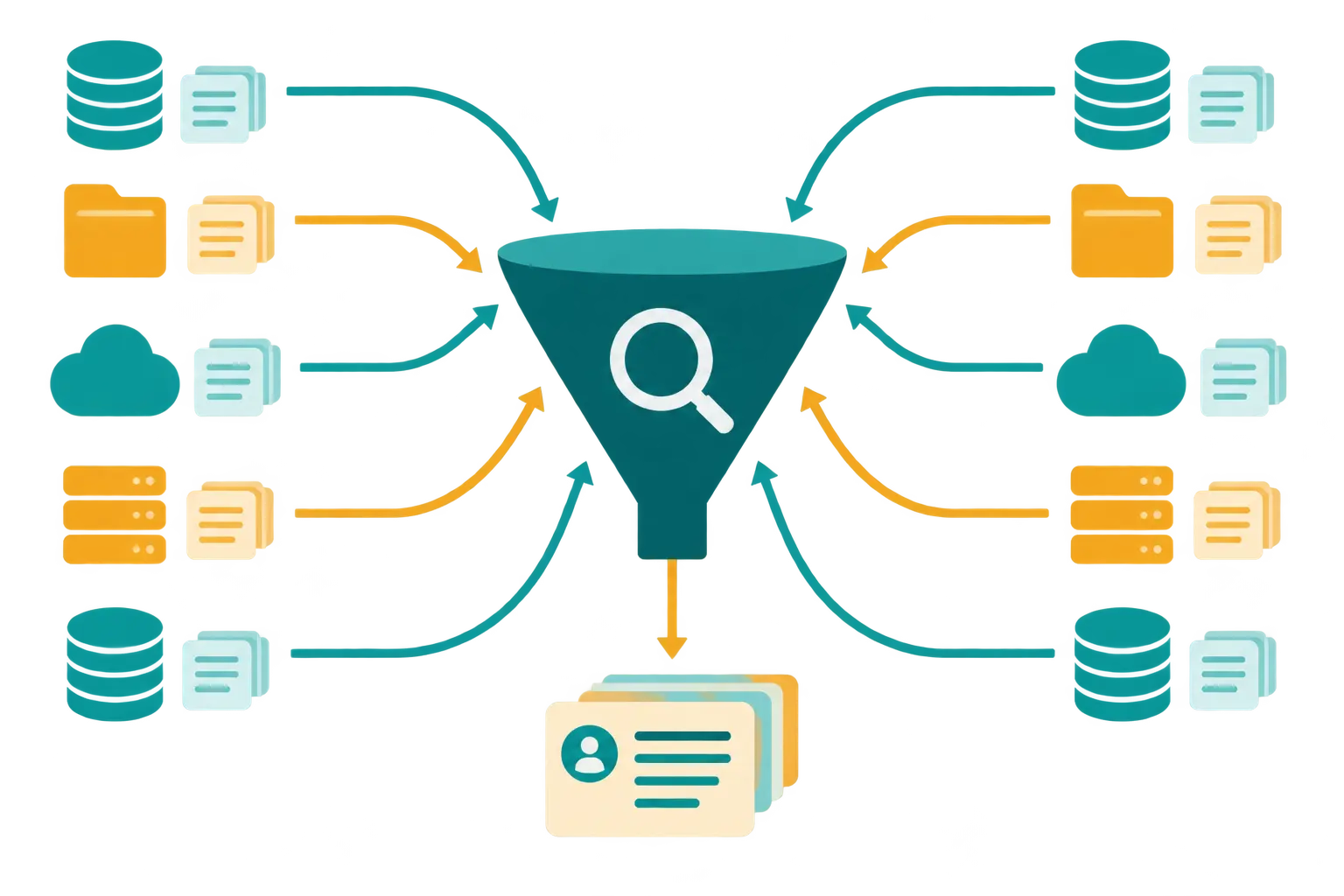
A thesis that cannot be found is not reused, cited or supervised against. For a graduate school, discoverability is a quality-assurance matter: supervisors use previous theses to calibrate expectations, students use them to understand the format, and funders increasingly expect research outputs to be accessible. The routes in the table differ in who controls them. An institution controls its repository and its metadata; it does not control a third-party portal, and the history of this sector shows why it should not depend on one. DART-Europe closed permanently in February 2025, and NDLTD’s Global ETD Search has been taken offline pending redevelopment. Both were aggregators, and both were downstream of the repositories that supplied them.
What did the closures change?
LIBER’s page on DART-Europe records that the portal was closed down permanently on Monday 3 February 2025. In January 2021 the service gave access to nearly 890,000 research theses from 535 universities in 26 European countries. Anyone relying on a guide that still names it as a search route should update it. NDLTD states that its Global ETD Search and Union Catalog, hosted for years by the University of Cape Town Digital Libraries Laboratory, have been taken offline due to unresolved security, stability and infrastructure issues, and that a full redevelopment is planned with Virginia Tech University Libraries. In the meantime it recommends the OATD service for open access theses.
The lesson for a faculty is practical. A thesis guide, library page or handbook that names a portal should record the date it was last checked, and the institution should avoid describing any aggregator as the route by which its theses are “published”.
What does a repository need to expose?
- An OAI-PMH interface. NDLTD states that most repository software has a built-in OAI-PMH interface, and that institutions without one must develop software to support the standard.
- Registration as an OAI data provider. NDLTD asks contributors to register and send the institution name, the baseURL and the set names that hold their theses.
- Metadata sets that separate theses. Where a repository holds many content types, a dedicated set for theses lets harvesters collect them cleanly.
- Bibliographic meta tags on each record page. Google Scholar’s guidelines list Highwire Press, BE Press and PRISM tags, with Dublin Core as a last resort.
- Required fields. Title, at least one author’s full name and the publication year.
- Accessible full text or abstract. The guidelines require the full text or the complete author-written abstract to be available without login or special software.
- Searchable PDFs. The guidelines give a maximum of 5MB and advise against Type 3 fonts.
This is a checklist a repository manager can use in an afternoon, and it explains why deposit-stage metadata matters. The guide to thesis deposit format checks describes how format problems at deposit hold up conferral; metadata problems at deposit hold up discoverability in the same way.
Which national portals should a guide list?
NDLTD’s own list of resources for finding electronic theses is a useful starting point for a library guide, because it is organised by country. It includes, among others, Theses Canada, Theses France, Shodhganga for India, RENATI for Peru, described as a SUNEDU project, RCAAP for Portugal, TESEO and Tesis Doctorals en Xarxa for Spain, Tez Merkezi for Turkey, DiVA for Scandinavia and ProQuest Dissertations and Theses for North America, which the list labels as a paywalled resource. A guide should not copy the list unchecked. For each portal the library should open the page, record the date, and note whether it is current, because entries can lapse as the DART-Europe case shows.
What should a graduate school ask its library?
- Does our repository expose OAI-PMH, and do we have a set for theses?
- Are we registered with CORE, and when did we last review our records there?
- Do our record pages carry Google Scholar-compatible meta tags?
- Which fields are mandatory at deposit, and who checks them?
- What is our embargo policy, and how is it shown in metadata so aggregators do not display restricted full text?
- Which external portals does our public guide name, and when was each last verified?
Questions about rights deserve a separate review. The guide to who owns a student’s thesis on a university platform explains the author, institution and vendor positions, and the same distinction applies to a repository: the student holds copyright, and the institution’s licence for deposit should be explicit.
How can a faculty measure the effect?
Discoverability is hard to measure directly, but a library can track three things: the share of deposited theses with complete mandatory metadata, the number of records harvested by each aggregator it is registered with, and the number of theses appearing in Google Scholar when searched by title. These can be reviewed once a year. For context on how national output is counted, the piece on where doctoral thesis production counts come from shows the limits of coverage in aggregated data.
How should embargoed and restricted theses be handled?
Some theses cannot be fully open: commercial partnerships, patent filings, sensitive data or publisher agreements may require an embargo. The discoverability question is whether the record can still be found even when the file cannot be opened. The principle in the Google Scholar guidelines is that the full text or a complete author-written abstract should be available without login, so a restricted thesis should at least expose a full abstract and complete bibliographic metadata, with the embargo end date recorded in a consistent field. NDLTD’s own position is to encourage the maximum openness feasible, with minimal embargo periods where needed. A graduate school should therefore publish its embargo rules, require supervisors to justify any restriction, and review lapsed embargoes each term so that files are released when the period ends.
What does a one-year plan look like?
- Term one. Audit: confirm the OAI-PMH feed works, list the sets, and sample fifty deposited theses for missing mandatory metadata.
- Term two. Fix: correct the metadata template, add the bibliographic meta tags required by Google Scholar’s guidelines if they are missing, and register with CORE.
- Term three. Publish: update the library guide and the thesis handbook with verified, dated references to external portals, and remove any that have closed.
The plan needs a named owner, usually the repository manager, with the graduate school responsible for the deposit rules. Because it relies on the institution’s own systems and on published documentation, it can be started without a procurement process.
Where does Tesify fit?
Repository standards and aggregator registration are decisions for the library and graduate school. Once a student is writing, Tesify helps students structure and organise their thesis while they write 100% of the work themselves: more than 9,000 students have written over 15,000 chapters with Tesify. See how Tesify supports a thesis cohort.
Frequently asked questions
Is DART-Europe still available?
No. The portal was closed permanently on 3 February 2025. In January 2021 it had given access to nearly 890,000 research theses from 535 universities in 26 European countries.
What happened to NDLTD’s Global ETD Search?
NDLTD states that it and the Union Catalog were taken offline by their host because of unresolved security, stability and infrastructure issues, with a redevelopment planned with Virginia Tech University Libraries. It recommends OATD in the interim.
What does an institution need to be harvested by thesis aggregators?
An OAI-PMH interface on its repository, registration as an OAI data provider, and, for NDLTD, an email giving the institution name, the baseURL and the set names that hold its theses.
What does Google Scholar require from a repository?
Scholarly content with one article per page, full text or a complete abstract available without login, bibliographic meta tags such as Highwire Press, and at least a title, an author’s full name and a publication year.
How large is CORE?
CORE’s own page states 452M open access articles collected from 16K data providers, and describes the service as not-for-profit and community governed.
Can a repository register with CORE?
CORE invites repositories to become data providers and offers a service to monitor and improve repository output.
Does harvesting copy the thesis text?
For NDLTD’s Global ETD Search, harvesting gathered metadata only, not text, data, figures or multimedia. Other services have their own practices, which the library should check.
Should a university guide name national portals?
Yes, but each should be opened and dated, because portals can close. NDLTD’s country list is a starting point, not a verified source of current status.
Who owns the copyright in a deposited thesis?
Typically the author, with the institution holding a licence for deposit. The deposit licence should be explicit about what the institution may do.
How often should the library review its discoverability checklist?
At least once a year, and whenever the repository platform or a major aggregator changes.