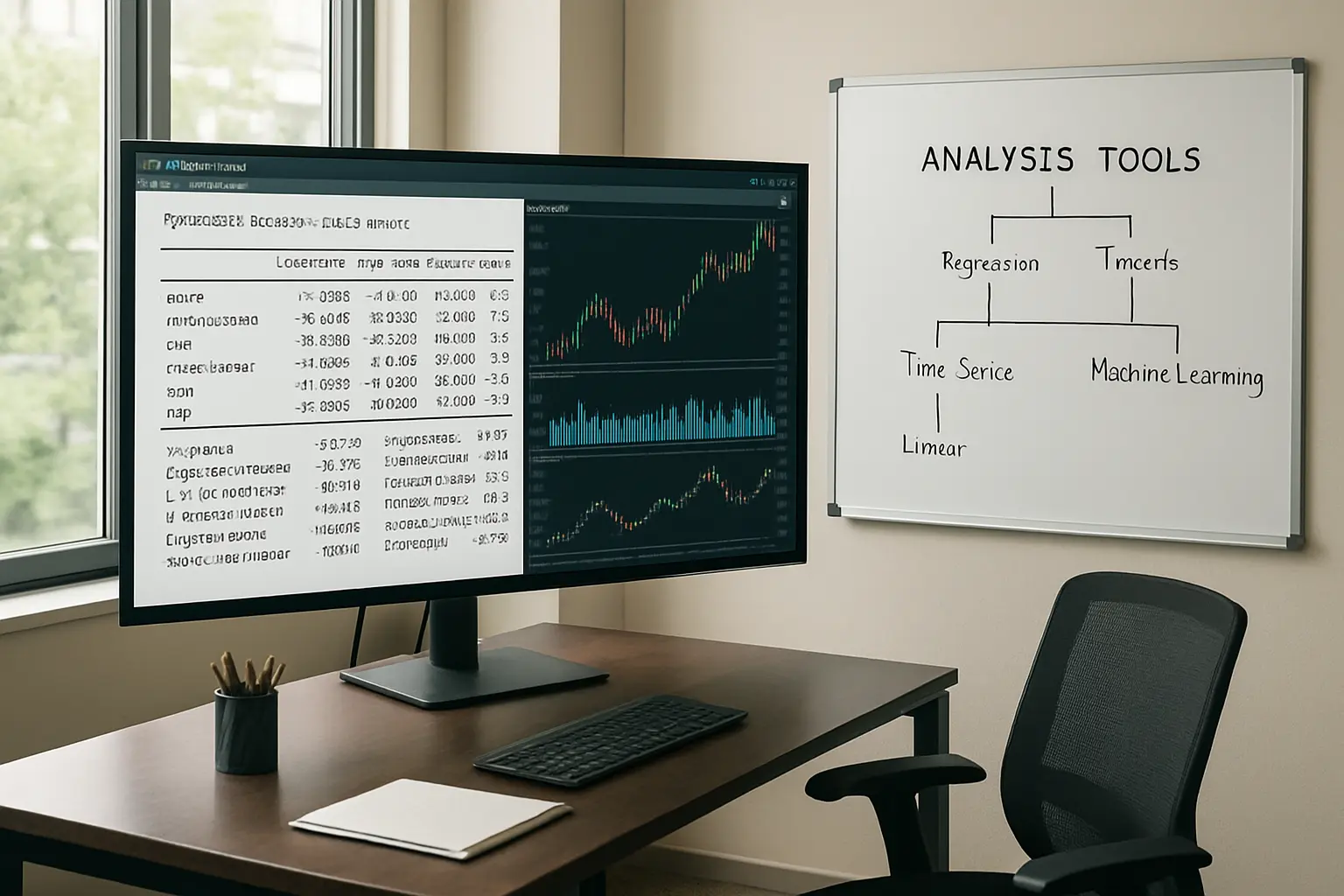
| Platform | Licensing model | Best for | Learning curve | Faculty training cost |
|---|---|---|---|---|
| Stata | Paid, perpetual or annual, campus-wide licences common | Panel-data econometrics, event studies, regression-heavy accounting research | Moderate — command syntax plus point-and-click | Low once one cohort is trained; widely taught in doctoral accounting/finance programmes |
| SPSS | Paid, subscription, IBM | Survey-based accounting/behavioural finance research, descriptive and basic inferential statistics | Low — menu-driven | Low; most undergraduate business students already have exposure |
| R | Free, open source | Advanced econometrics, custom event-study and asset-pricing packages, reproducible research scripts | Steep — full programming language | Higher upfront training cost, zero licensing cost, strongest long-term reproducibility |
| Python | Free, open source | Large-dataset finance work, machine-learning-adjacent accounting/finance research, API access to market data | Steep — full programming language | Higher upfront training cost; increasingly taught alongside R in quantitative finance tracks |
| Excel with Power Query / add-ins | Usually already licensed institution-wide | Undergraduate and taught-masters dissertations, financial-statement analysis, ratio work | Very low | Effectively zero — already the default tool students arrive knowing |
None of these five is a universally correct default for an Accounting & Finance faculty — the right standardisation decision depends on degree level, whether the programme is more accounting-practice-oriented or quantitative-finance-oriented, and which data platform the library or department already licenses.
Why this decision is different from a generic “which stats software” choice
A generic thesis-support article on choosing statistical software treats every field the same: pick the tool that runs the test you need. Accounting and Finance research has a distinguishing feature most other social-science fields do not — the software decision is inseparable from the data-platform decision. A student running an event study or an asset-pricing model needs the software to talk directly to a market-data source such as WRDS (Wharton Research Data Services), Bloomberg Terminal, Refinitiv Eikon or a comparable financial database, and Stata, R and Python each have a materially different maturity level of pre-built packages and API connectors for pulling and cleaning that kind of data. Choosing the software in isolation from the data-access question produces a mismatch a student discovers only once they try to actually get their data into the tool. It is the same principle behind how a faculty standardises on a reference manager — the licensing question and the actual research workflow have to be evaluated together, not sequentially.
Stata: the doctoral-programme default for a reason
Stata remains the most widely taught package in doctoral accounting and finance programmes specifically because of its mature ecosystem of user-written commands for panel-data econometrics, clustered standard errors, and event-study methodology — the exact toolkit a capital-markets or corporate-finance thesis needs. Campus-wide Stata licences are common at research-intensive business schools, which makes it close to a zero-marginal-cost default once the institutional licence already exists. The trade-off is that Stata’s command syntax, while more approachable than a general-purpose programming language, is still a real skill a taught-masters or undergraduate student needs dedicated teaching time to acquire — it is not something students arrive already knowing the way they arrive knowing Excel.
R and Python: free, powerful, and a genuine training-cost trade-off
Both R and Python cost nothing to license and both have strong, actively maintained finance-specific packages — R’s tidyquant and PerformanceAnalytics packages, Python’s pandas and statsmodels ecosystem — that increasingly rival or exceed Stata’s capability for advanced quantitative finance work, and both produce fully scriptable, reproducible analysis pipelines that a Stata do-file can also achieve but that R and Python’s open-source package ecosystems iterate on faster. The real cost is not licensing, it is training time: a student with no prior programming background needs substantially more supervised teaching hours to become independently productive in R or Python than in Stata or SPSS, which is a real departmental resourcing decision, not just a student preference.
SPSS and Excel: where the low floor genuinely matters
For a taught-masters or undergraduate Accounting & Finance dissertation built around a smaller survey, a straightforward ratio analysis, or a financial-statement comparison rather than an asset-pricing model, SPSS’s menu-driven interface and Excel’s near-universal existing familiarity are not compromises — they are the right tool for the actual statistical demands of the project. Standardising an entire faculty on Stata or R because doctoral researchers need it forces an unnecessary training burden onto undergraduate and taught-masters cohorts whose theses never need panel-data econometrics in the first place. The standardisation decision should be tiered by degree level and research design, not applied as one faculty-wide default.
Data-platform access is the procurement decision that actually matters
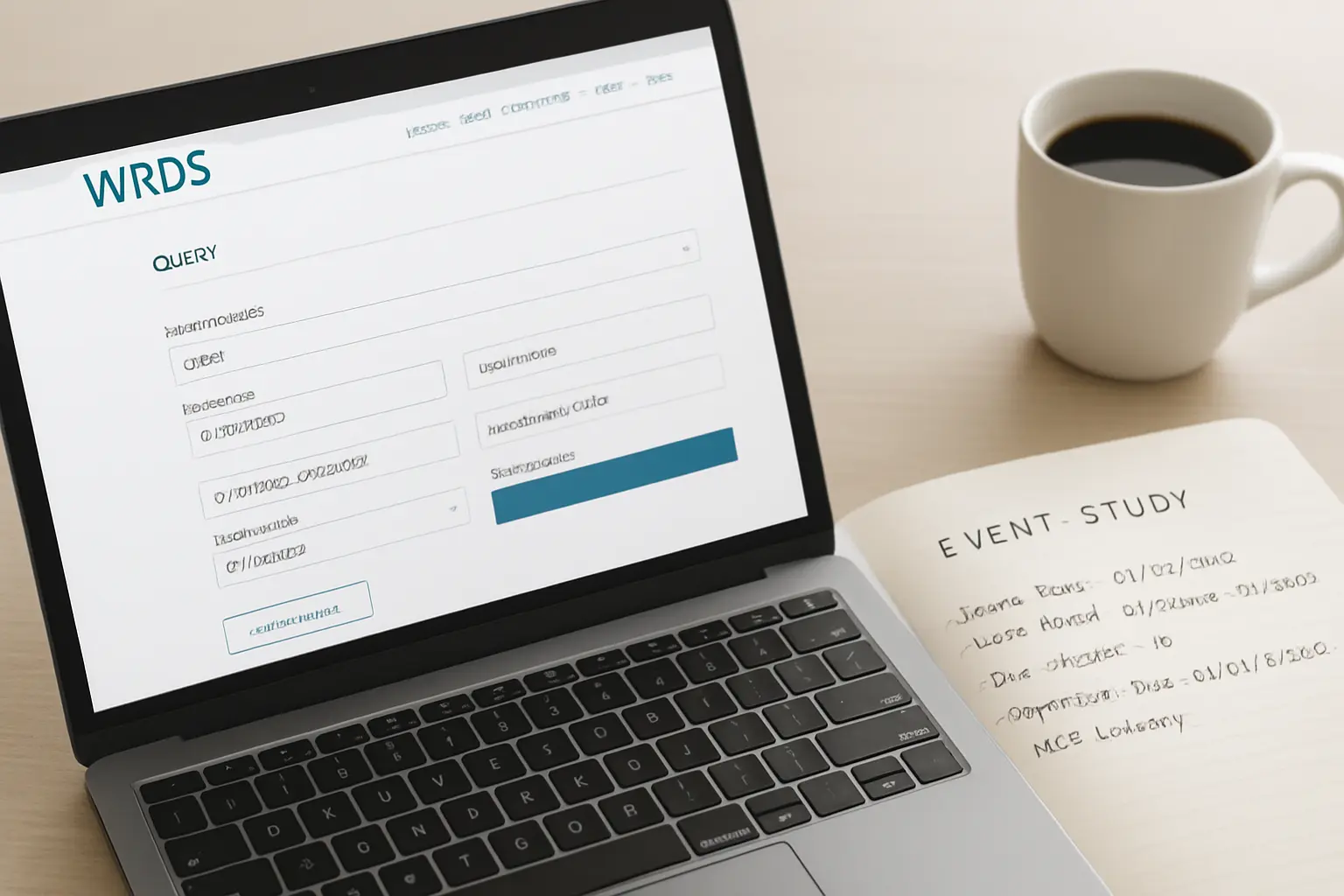
The single highest-impact procurement decision for an Accounting & Finance faculty is not which statistical software to standardise on — it is which market-data platform the library or department licenses, because that determines what kind of thesis is even possible. WRDS, which bundles access to CRSP, Compustat and several other core finance and accounting databases through a single institutional subscription, is the standard research-data backbone at most business schools running doctoral and research-active masters programmes, and it has native connectors for Stata, R, Python and SAS. A Bloomberg Terminal or Refinitiv Eikon licence adds real-time and historical market data with a different licensing and seat-count model, typically justified for a smaller number of specialist finance-track students rather than the whole faculty. A faculty deciding to standardise software without first confirming what data platform students will actually pull from is solving the wrong half of the problem.
A template decision framework
| Cohort | Recommended default | Why |
|---|---|---|
| Undergraduate dissertation | Excel, with SPSS for basic inferential tests | Matches the actual statistical demands of most undergraduate projects; near-zero training cost |
| Taught masters (non-quantitative track) | SPSS, or Stata for anyone doing regression-based work | Menu-driven accessibility with a clear upgrade path to Stata if the project needs it |
| Taught masters (quantitative finance track) and doctoral | Stata as default, R or Python for advanced/reproducible work | Matches the doctoral-programme standard and the WRDS/data-platform ecosystem |
This tiering is a starting point to adapt against your own faculty’s programme mix and existing licences — the deciding factor is always which data platform the software needs to connect to, not software preference in isolation.
Rolling out a standardised default without disrupting current cohorts
A faculty changing its statistical-software default mid-cycle should not force students already deep into data collection to switch tools — the migration risk outweighs any consistency benefit for a project already underway. The lower-disruption approach is the same phased-cohort pattern that works for other faculty-wide tooling decisions: set the new default for incoming cohorts only, keep support for the previous tool available but no longer actively taught for one or two further intakes, and route the software-specific research-methods teaching session to whichever tool that year’s cohort is standardised on rather than teaching all options in parallel, which dilutes actual skill-building time. Training itself is best delivered as a dedicated methods-course module tied to the point in the programme where students are choosing their research design, not a one-off induction-week session months before it becomes relevant — skills taught without immediate application are largely forgotten by the time a student actually needs them for data collection.
Licence-cost and seat-count planning for a mixed toolkit
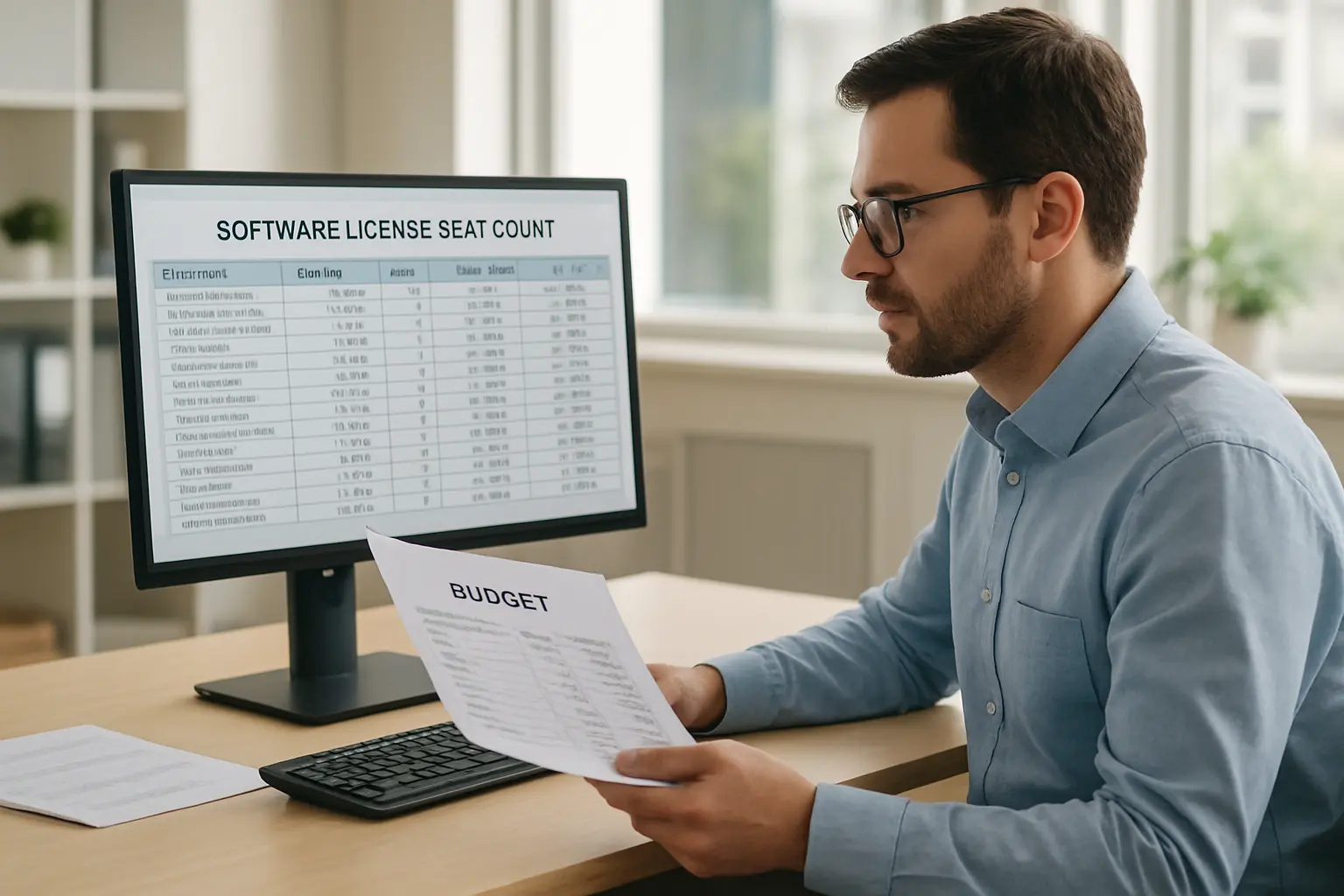
A faculty running a tiered model — Excel/SPSS for one cohort, Stata for another, R/Python available to all — needs to plan licence seats against actual concurrent usage rather than total headcount, since taught-masters and undergraduate dissertation writing clusters into the same seasonal windows described in taught masters dissertation season. A Stata campus licence sized for the doctoral cohort alone will be insufficient the moment a taught-masters quantitative-finance track is added to it without a corresponding seat-count review; conversely, a full campus-wide Stata licence bought to cover every undergraduate dissertation is very likely more capacity than the actual demand justifies, since most undergraduate work is adequately served by Excel or SPSS. Reviewing seat counts against the tiering table above, rather than against total faculty enrolment — see postgraduate enrolment by field of study for a starting point on cohort sizing by discipline — is what keeps the licensing budget matched to real usage.
Recommendation
Stata is the strongest single default for any Accounting & Finance faculty running research-active masters or doctoral work, given its dominant position in the field’s own methodological training and its mature connectors to WRDS and comparable data platforms. The named alternative is R, specifically for a faculty prioritising zero licensing cost and full reproducibility over training-time efficiency, or where doctoral supervisors are already teaching it. Neither should be forced onto undergraduate and lower-quantitative-demand taught-masters cohorts, where SPSS and Excel remain the right, lower-friction tools.
Where Tesify fits
Whichever software a student uses to run the analysis, the write-up still needs to cite the data platform, the software version and any user-written packages correctly and consistently across a cohort. The Tesify Citation Engine for Institutions keeps dataset, software and package citations consistent with the faculty’s required style as students draft their methodology chapters. A free departmental pilot lets a finance track test this against one dissertation cycle before any procurement decision.
Frequently asked questions
Should an Accounting and Finance faculty standardise on one statistical package for every degree level?
No. The right default varies by degree level and research design — Excel and SPSS suit most undergraduate and non-quantitative taught-masters work, while Stata, R or Python suit research-active masters and doctoral cohorts running panel-data or asset-pricing analysis.
Why does the data platform matter more than the software choice?
Because the software’s job is to connect to and process the data — a student running an event study needs the software to interoperate cleanly with WRDS, Bloomberg or a comparable market-data platform, and that connector maturity differs materially across Stata, R and Python.
Is R a viable free alternative to Stata for accounting and finance research?
Yes, functionally — R’s finance-specific packages rival Stata’s capability. The real trade-off is training time, not capability: students need substantially more supervised teaching hours to become independently productive in R than in Stata.
Does every finance thesis need a Bloomberg Terminal or Refinitiv Eikon licence?
No. These are typically justified for a smaller number of specialist finance-track students needing real-time or granular market data, not standardised across an entire faculty; WRDS covers the core research-data needs of most accounting and corporate-finance theses.
What is the biggest procurement mistake a faculty makes with this decision?
Choosing or standardising statistical software before confirming what data platform students will actually need to pull from — the software decision should follow the data-access decision, not precede it.
Is Excel a legitimate tool for an Accounting and Finance dissertation, or only a workaround?
A legitimate tool for most undergraduate and straightforward taught-masters projects — ratio analysis, financial-statement comparison, basic descriptive work. It becomes the wrong tool only once a project needs panel-data econometrics or large-dataset processing beyond its practical limits.
Should a faculty migrate students mid-project when it changes its standardised default?
No. Apply a new default to incoming cohorts only, and keep the previous tool supported but no longer actively taught for one or two further intakes, so a student already deep into data collection is never forced to switch mid-project.
How should seat counts be planned for a mixed toolkit across degree levels?
Against actual concurrent usage by tier — undergraduate Excel/SPSS demand, taught-masters Stata demand, doctoral R/Python demand — rather than against total faculty headcount, since a licence sized for the wrong denominator either under- or over-provisions capacity.